
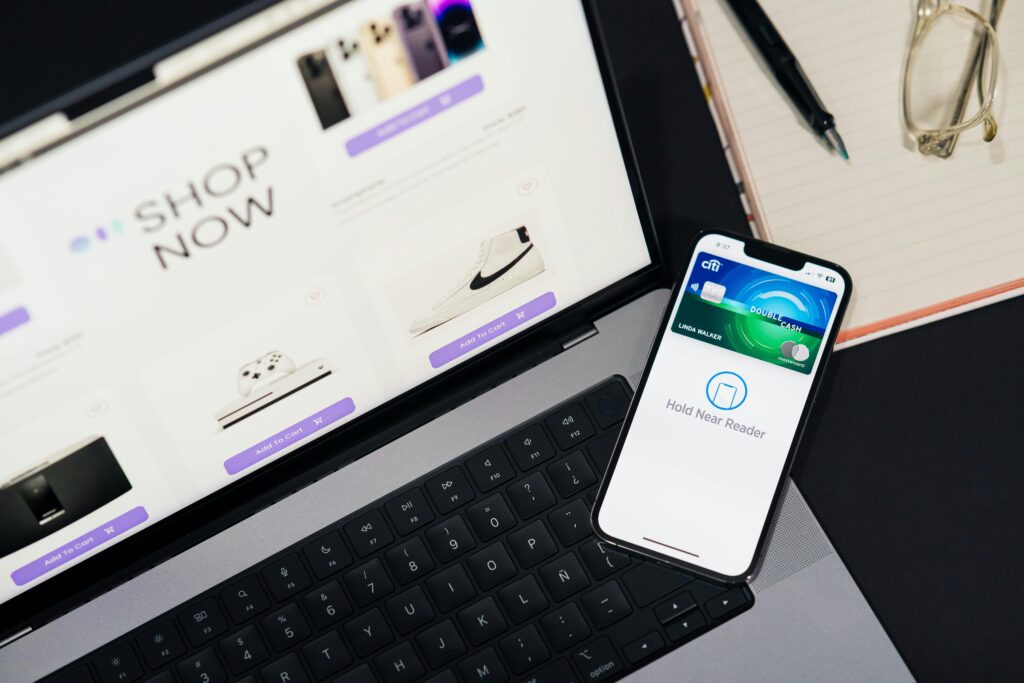
There’s a puzzling disconnect in today’s economy that’s worth understanding if you’re running a small business. Consumer confidence indices are telling one story—people are worried about the economy—while spending data tells another. Americans continue to spend, despite feeling anxious about their financial future. This contradiction has real implications for how you market and sell to your customers.
Understanding this paradox can help you make better decisions about pricing, marketing, and how you communicate the value of your products or services.
The Confidence Conundrum
Consumer confidence measures how optimistic or pessimistic people feel about the economy’s future. When confidence is high, people feel secure about their jobs, believe wages will rise, and think their financial future is stable. When confidence drops, people tighten their belts, delay purchases, and prepare for harder times.
Consumer confidence is at a five-year low, yet spending continues to grow. This paradox is reshaping how small businesses should approach marketing.
Recent data shows consumer confidence indices dropping to their lowest levels in years. News about interest rates, inflation, job market uncertainties, and global economic concerns all contribute to this anxiety. In theory, low confidence should lead to lower spending.
Why People Keep Spending
Yet here’s where things get interesting: despite lower confidence, consumers continue to spend. Several factors explain this counterintuitive behavior.
Pent-Up Demand
During economic downturns or uncertain times, people often delay purchases. As the economy stabilizes and people feel they’ve waited long enough, spending surges as they finally make those purchases they’ve been putting off.
Employment Remains Relatively Strong
While confidence is down, employment rates remain relatively healthy. People still have jobs and paychecks, even if they’re worried about the future. This ongoing income gives them the ability to continue spending despite their anxiety.
Lifestyle Spending vs. Discretionary
Many people are spending on experiences and lifestyle improvements rather than cutting spending entirely. They’re prioritizing travel, dining out, and entertainment—even while feeling anxious about larger purchases like homes or vehicles.
The Credit Effect
With credit readily available and credit cards offering rewards, some consumers are spending through credit rather than savings. This temporarily maintains spending levels even as confidence drops.
What This Means for Your Small Business
If you’re running a small business, this paradox has several implications:
Confidence Affects Perception
People shopping when they’re anxious are often looking for reassurance. Your marketing should focus on reliability, quality, and value rather than luxury or premium positioning. Show customers they’re making a smart choice, not an indulgent one.
Spending Is Selective
While overall spending remains up, it’s often shifted. Customers might cut back on some categories while spending more in others. Understanding where your target market is spending (and not spending) is crucial.
Trust Becomes Currency
When confidence is low, trust in brands and businesses becomes more important. Customer reviews, testimonials, and consistent quality matter more than ever. This is where platforms like Enji can help you build credibility and showcase results.
In uncertain times, customers reward businesses that are transparent, reliable, and focused on delivering genuine value.
Adapting Your Strategy
The key is understanding that low confidence doesn’t mean zero spending. It means people are being more selective about where their money goes. Businesses that can articulate clear value, demonstrate reliability, and show genuine results will continue to attract customers—even when overall confidence is down.
Focus on your unique value proposition. Why should someone choose your business over competitors? What concrete results or benefits do you deliver? These become even more important when customers are spending with caution.
Looking Ahead
This period of economic paradox won’t last forever. As sentiment eventually shifts, businesses that have built strong customer relationships and demonstrated consistent value will be positioned to grow faster. Use this time to strengthen your customer relationships and clarify your value proposition.
Get Expert Guidance
Understanding economic trends and how they affect your small business is critical for sustainable growth. Work with a business coach who can help you navigate these nuances and adjust your strategy accordingly.
Discover how we help small business owners thrive in any economic climate at www.patrickmiller.com.
