
Cliche coming at you: marketing can sometimes feel like you’re throwing spaghetti at the wall and hoping something sticks.
But what if you could actually see what’s working (and what’s not) by tracking a few simple numbers? Enter KPIs, or Key Performance Indicators. They’re not just jargon for big companies with whole departments full of people; they’re your secret weapon for making smarter, more confident decisions in your small business. And today, we’ll break down exactly what KPIs are, how to pick the right ones, and how to use them to steer your marketing in the right direction (with a little help from Enji, of course).
Here’s what you’ll learn when you keep reading:
- What KPIs are
- Tips to help you choose the KPIs to track for your small business
- Understanding what your KPIs are telling you
- Best practices around tracking your KPIs
So let’s get to it!
What are KPIs?
Key Performance Indicators, or KPIs, might sound intimidating, but at their core, they’re simply the numbers that tell you how your business is doing. Specifically, how healthy your business is and the impact of your marketing. And while the internet is full of fancy explanations, all you really need to remember is that KPIs are the numbers that help you see if you’re reaching your goals. They help you spot trends, identify wins, and catch issues before they become full-blown headaches.
Choosing KPIs for Your Small Business
There are a ton of KPIs you can track. But that would be overwhelming, and you’re looking for clarity on things. So how do you know which KPIs are worth your attention? The trick is to zero in on the numbers that align with your current business goals and where you’re doing your marketing (read: your marketing channels). You don’t need to track every stat under the sun—just the ones that help you understand if the needle is moving for you. For example, if your goal is to boost customer satisfaction, focus on metrics like customer feedback scores or repeat purchase rates. If sales are your priority, keep an eye on conversion rates and where leads are coming from. Trying to understand if you’re doing a better job with SEO? Track how many keywords you rank for and website traffic. But less is more. Start with the essentials, and don’t worry about getting it perfect from day one. You can always adjust as you go.
Understanding Your KPIs—The Traffic Light System
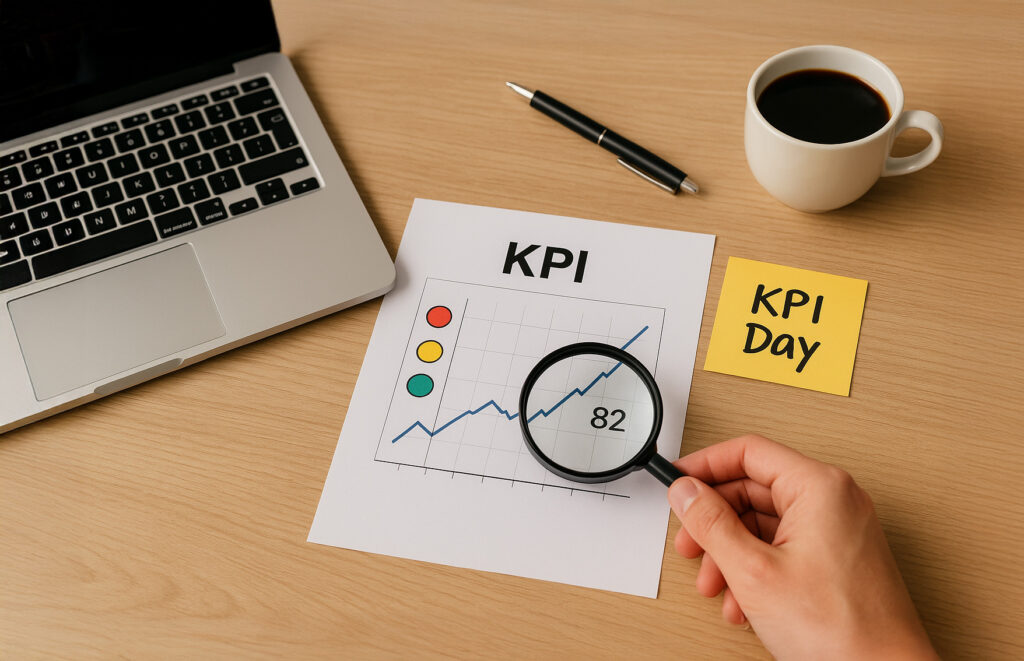
Once you’ve picked your KPIs, the next step is understanding what those numbers are telling you. At Enji, we love using the traffic light system to make sense of your numbers.
Green Light: Things are going great! Maybe your email open rates are climbing, or your Instagram followers are growing. This is your cue to keep doing what’s working—maybe even ramp it up a notch.
Yellow Light: Things are steady, but not spectacular. If your numbers are flat, it’s time to experiment. Try tweaking your messaging, switching up your content, or adjusting your posting schedule. Don’t panic—yellow is just a nudge to try something new.
Red Light: Uh-oh, something’s off. If you see a drop in leads or engagement, pause and investigate. Did you change your strategy? Did you stop posting as often? Red doesn’t mean you’ve failed—it just means it’s time to regroup and try a fresh approach.
Best Practices for Tracking KPIs as a Small Business Owner
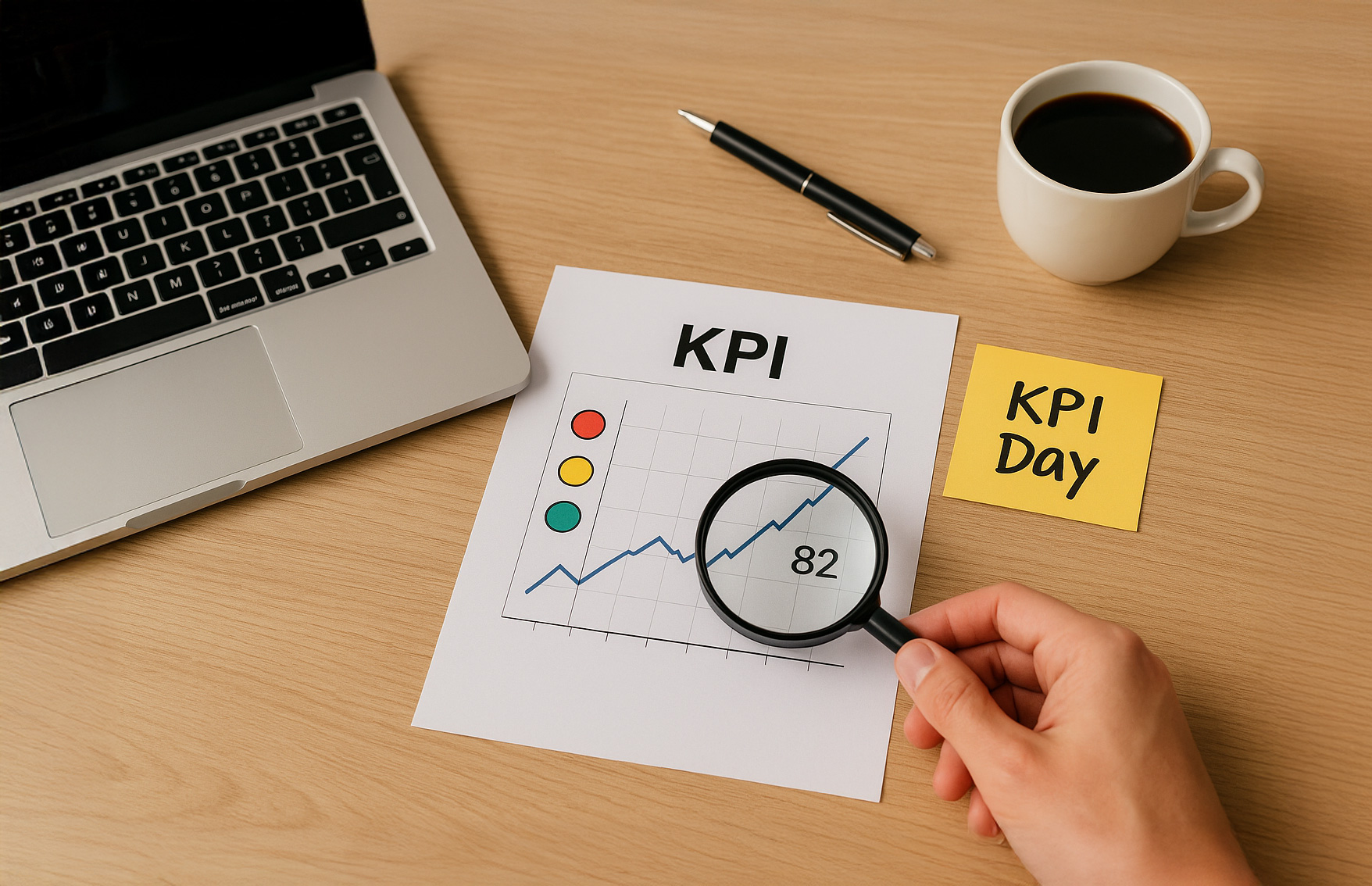
One of the best ways to stay on top of things is to make KPI tracking a regular habit. At Enji, we celebrate “KPI Day” every month—a chance to review your numbers, see what’s working, and course-correct if needed. So set a recurring date (during the first week of the month is a great choice for looking back at the past month) to track your results. This simple ritual keeps you focused on your goals and helps you spot opportunities for growth before they pass you by.
But if you’re new to tracking KPIs, resist the urge to track a ton. Start with just 6-10 key KPIs that matter most to your business right now. Track them consistently, and as you get more comfortable, you can add more. The key is to choose KPIs that genuinely help you make decisions—not just numbers that look good on a spreadsheet. And if you find a metric isn’t helping, don’t be afraid to swap it out for something more useful.
Tracking KPIs is Easy with Enji
You can absolutely track your KPIs in a spreadsheet, but if you don’t have a spreadsheet brain, it can be a drag. And manually tracking numbers is nobody’s idea of a good time. That’s why Enji’s KPI dashboard is designed to make KPI tracking simple, visual, and dare we say—fun. With integrations to Google Analytics, Facebook, and Instagram (and more!), you can see all your most important numbers in one place (no tech wizardry required). Our goal? To help you spend less time crunching numbers and more time growing your business.
Tracking KPIs doesn’t have to be overwhelming or reserved for the “big guys.” By focusing on a few key numbers and checking in regularly, you’ll gain the clarity and confidence you need to make smarter marketing decisions. Remember, it’s not about perfection—it’s about progress. And with Enji by your side, you’ll have all the tools you need to keep your business moving forward, one data-driven decision at a time.
Want to give Enji a go and start tracking your results? Start your free 14-day trial and start doing your future self a big favor!
